
While herbal remedies are often overlooked as sources of anxiety relief, they actually encompass several different types of plants that have the power to improve mental health.
There are a number of herbs commonly used to treat anxiety. Here we’ll discuss some of the most popular and available options, and their uses and benefits:
Lavender 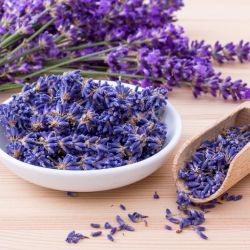
is a herb that has been found to have a calming effect when inhaled or when the essential oil is applied to skin. This is due to chemicals called terpenes which have a calming effect on the brain.
Lavender can be brewed as a tea or used as an oil for massage or aromatherapy. You can also add the oil to a relaxing bath or put dried flowers under your pillow.
When used as a massage oil mixed with chamomile and rosemary, lavender can reduce General Anxiety Disorder and increase self-esteem. It does need to be done on a regular basis though.
Kava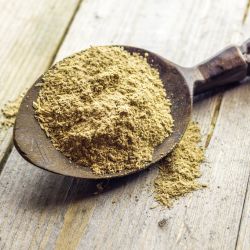
has an anti-anxiety effect and is useful in treating insomnia as well as other anxiety disorders including social phobia and post-traumatic stress disorder.
The root of the plant is used to make medicine. It can be taken by mouth or applied to the skin. Be careful though as Kava can cause problems with coordination and should not be used when driving or operating heavy machinery. Ideally kava should not be taken long term as it can cause liver damage.
It should not be taken regularly for more than eight weeks without testing the function of the liver first. Long term use of kava may also lead to a scaly rash called kernelization, stomach pain, and/or nausea and vomiting.
So, in hindsight it is maybe not the first choice to treat your anxiety as worrying about developing these conditions may add to the problem!
Valerian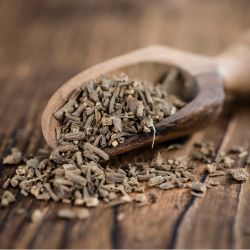
has been used for hundreds of years as a treatment for insomnia, anxiety and tension. The root of the plant is used to make medicine.
It can be taken by mouth or applied to the skin using a patch that delivers small amounts directly into the bloodstream through intact skin such as the arm or leg.
When taken by mouth valerian works about as well as lorazepam (medication used to treat anxiety) but it causes less morning drowsiness and after effects, however it often doesn’t work as quickly as other medicines.
Side effects may include headache, dizziness, sleepiness, upset stomach and nightmares. At high doses, some people experience liver problems including jaundice which is yellowing of the skin and whites of the eyes, dark colored urine, and stomach pain and vomiting.
Having said all that most of the evidence that Valerian can reduce the symptoms of anxiety is anecdotal.
Lemon balm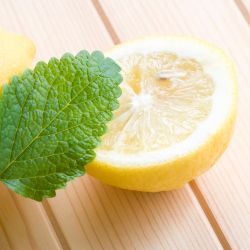
is a herb that is effective for mild to moderate anxiety with some evidence it can also help depression. It has a calming effect without making you feel sleepy.
Lemon balm is thought to have antioxidant properties that may have a role in anxiety treatment.
One of the best ways to use lemon balm for your anxiety is to use freshly picked leaves to make tea. Alternatively, lemon balm is in many foods and these have also been found to ease the symptoms of anxiety. Plus, they taste delicious!
Ginseng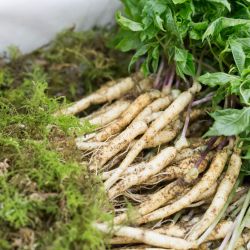
is a herb that has been used in traditional medicine for centuries to decrease feelings of fatigue, relieve stress, and increase mental acuity. Ginsenosides are the active components of ginseng thought to have these effects. Ginseng is a root but is also available as an easy to take supplement or can be made into a tea.
Ashwagandha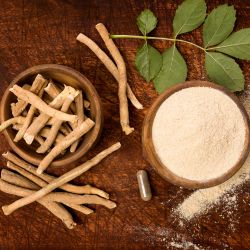
has been used for thousands of years as a remedy for anxiety, and insomnia.
The root of the plant is used to make medicine. There are many different extracts on the market but most studies looking at ashwagandha for anxiety have found it can help reduce symptoms in those with generalized anxiety disorder.
This is a condition where people worry excessively about a variety of things for months at a time and experience problems such as difficulty sleeping, muscle tension and restlessness.
Milk Thistle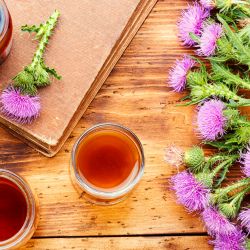
is a herb used for centuries by traditional healers to treat liver problems. However recent research has found that it can also improve mood, reduce anxiety and help with insomnia because of its calming effect.
In today’s fast-paced world, many people find it difficult to stay calm and composed.
Drinking tea made from the chamomile herb may help with anxiety symptoms by calming your mind while providing other benefits such as promoting relaxation.
Chamomile is so effective at making you feel relaxed that many people drink it before going to bed. As it makes you feel sleepy, taking the extract (which is stronger) is not recommended before you drive.
St John’s Wort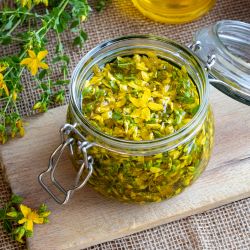
is a herb that has been used since antiquity for its medicinal properties. It can be identified by its bright yellow flowers, which are usually produced during colder months of the year.
Recently, St John’s Wort has become popular for many other uses, perhaps the most common being to treat anxiety.
The active compounds hypericin and hyperforin act as an antidepressant by balancing neurotransmitters, namely serotonin and noradrenaline, within the brain. St John’s Wort also reduces the stress hormone, cortisol, in the blood.
Jasmine Oil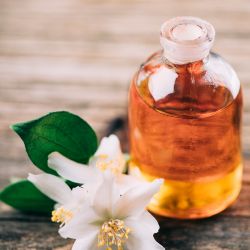
has been known for hundreds of years as a powerful antidepressant and can be used as an effective means of treating anxiety, especially those who suffer from post-traumatic stress disorder.
The sweet-smelling jasmine oil is believed to have intoxicating effects, which can feel similar to being drunk or high. However, the calming nature of the scent comes from its ability to reduce anxiety because it works on neurotransmitters in the brain which are responsible for mood regulation.
Ylang-Ylang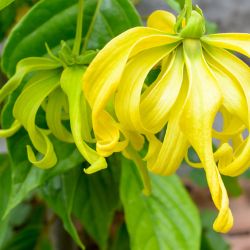
is great for reducing anxiety because, like Jasmine, the scent of its flowers has a calming effect on the mind and body.
It is believed to have been named after the Tagalog word for ‘flowers from paradise’ because of its pleasant smell which can be described as sweet, soft and exotic.
Jasmine and Ylang-ylang would enhance anti-anxiety visualizations, particularly those when the person is imagining themselves in an exotic location.
The leaves of the patchouli plant can help reduce anxiety because of their sedative which is why it has been traditionally used in Chinese medicine to treat insomnia.
People who are suffering from mood imbalances caused by stress, anger or fear will benefit most from using this oil because of its ability to regulate the chemical serotonin within the brain.
Disclaimer: Natural remedies are not as powerful as medication and are often assumed to be safe. However, just because something is natural doesn’t necessarily mean it is harmless; poisonous mushrooms for example. So please do your research carefully and consult your doctor before taking anything mentioned above.